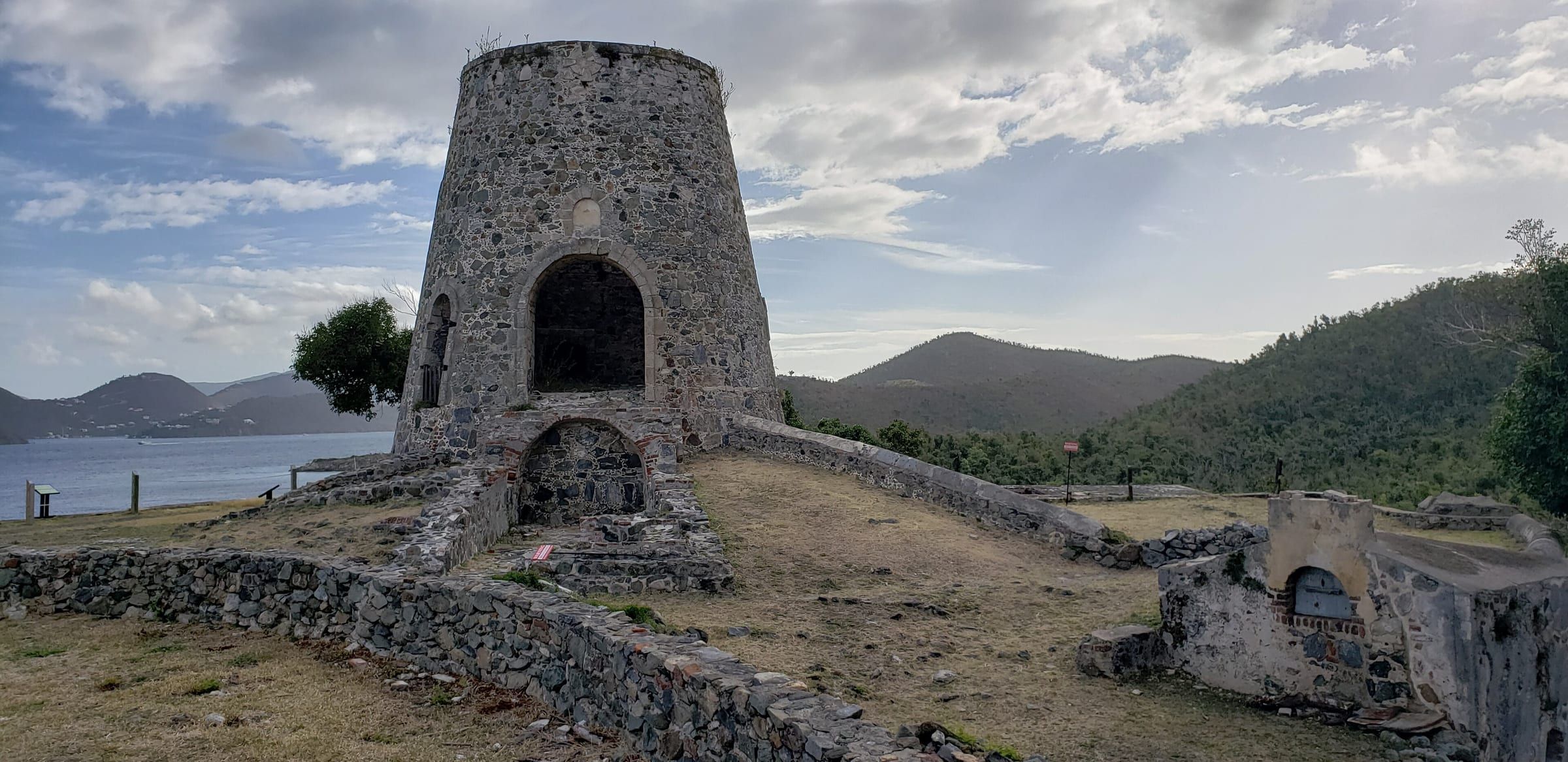
Expect some bites. No-see-ums, tiny biting midges you barely see, are the main complaint. They come out at dusk and dawn, after rain and on calm evenings, and they go for ankles and lower legs. Mosquitoes are worse in shady, damp, windless spots such as mangroves, ruins paths and the campground. Put on repellent before sunset, cover your legs for outdoor dinners, sit in the breeze and sleep with a fan or air conditioning. Mosquitoes on St. John can carry dengue, so take bites seriously, not only as an itch.
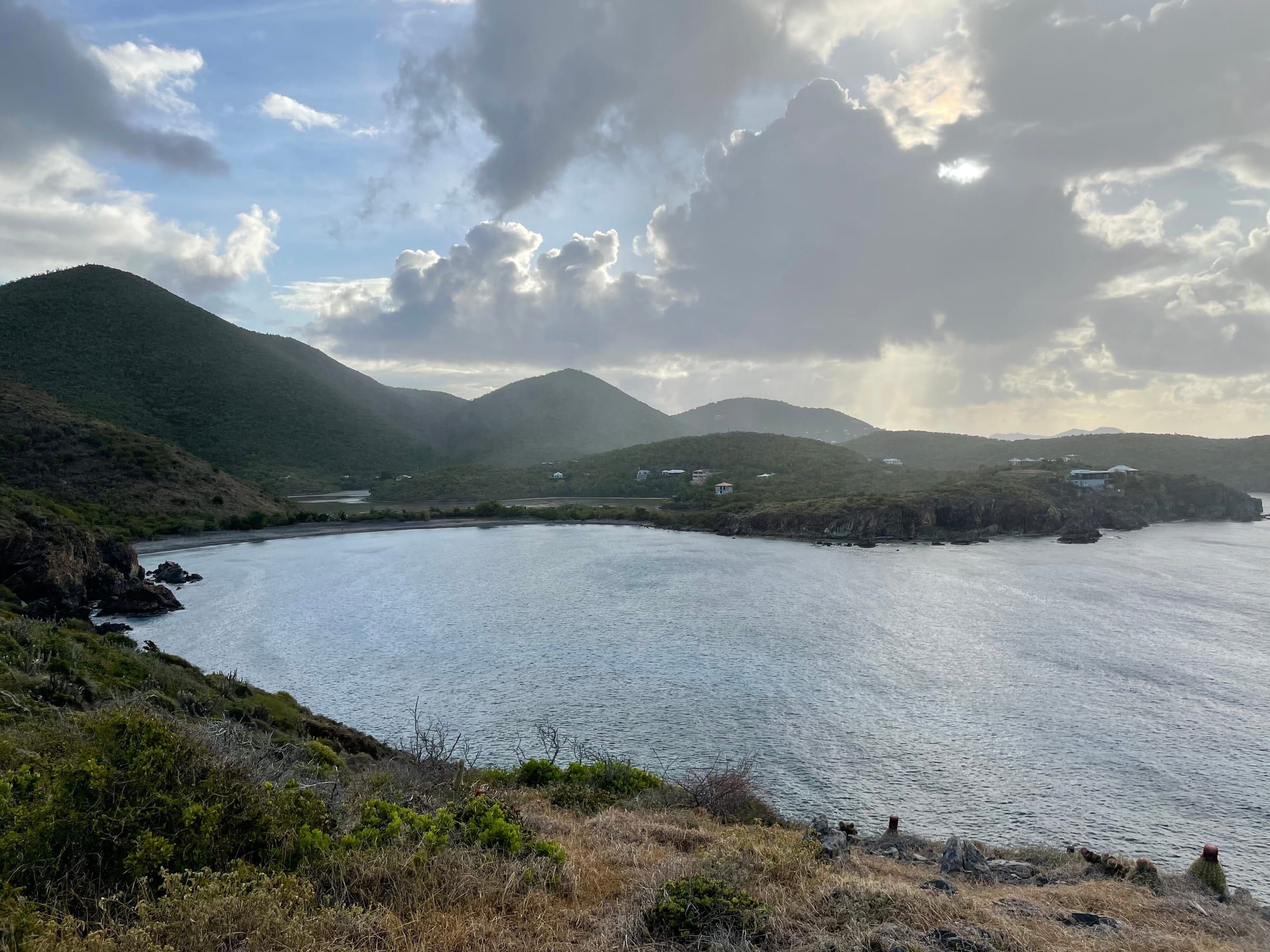
At a glance
- Repellents that work
- EPA-registered DEET, picaridin, IR3535, OLE, PMD or 2-undecanone
- Centers for Disease Control and Prevention · verified
- Why it matters
- 40 dengue cases on St. John in the 2024 outbreak; none reported since January 2025
- CDC, Morbidity and Mortality Weekly Report 75(40) · verified
Live conditions are on /now/weather (current weather).
How bad is it?
It depends on the wind, the rain and you. Some visitors say they were eaten alive; others notice nothing all week. Nobody who runs a place to stay pretends there are none: Cinnamon Bay’s campground puts it bluntly, “We 100% guarantee you will see bugs”, and says mosquitoes and no-see-ums are common all over the island.
No-see-ums (biting midges, also called sand flies) are the bigger nuisance for most people. The bite stings more than its size suggests, and the welts can itch for days. They are weak fliers, so a steady breeze keeps most of them away.
Mosquitoes are fewer than in many places, but they matter more, because some carry dengue. Much of the island is forested national park, with plenty of shade and standing water after rain, and the park says mosquito-borne diseases spread during the rainy season or after heavy rains, when mosquitoes are most common.
There are no snakes or large dangerous animals in the park. Ants and the occasional scorpion turn up in villas; one agency says a scorpion sting “isn’t poisonous” but can cause allergic reactions, and asks guests to call the clinic if they react.
When they bite
By time of day. The bad hour is around sunset, which locals call “bug thirty”, and again around sunrise. Cinnamon Bay’s advice is to leave the beach before dusk. The middle of the day, in sun and wind, is usually bite-free.
By weather. A villa agency puts it simply: the trade winds keep pests away most of the time, and when the wind calms down or after heavy rain, they may become more noticeable. A still, humid evening after a shower is the worst case.
Because the sun sets early in winter, bug hour falls right at dinner time for most of the high season. In June and July it comes about an hour later.
| Month | Sunrise | Sunset | Daylight |
|---|---|---|---|
| Jan | 6:54 AM | 6:03 PM | 11 h 09 m |
| Feb | 6:47 AM | 6:20 PM | 11 h 33 m |
| Mar | 6:27 AM | 6:29 PM | 12 h 02 m |
| Apr | 6:02 AM | 6:36 PM | 12 h 34 m |
| May | 5:46 AM | 6:46 PM | 13 h 00 m |
| Jun | 5:43 AM | 6:57 PM | 13 h 14 m |
| Jul | 5:51 AM | 6:59 PM | 13 h 07 m |
| Aug | 6:01 AM | 6:46 PM | 12 h 45 m |
| Sep | 6:07 AM | 6:21 PM | 12 h 14 m |
| Oct | 6:13 AM | 5:57 PM | 11 h 44 m |
| Nov | 6:26 AM | 5:42 PM | 11 h 16 m |
| Dec | 6:43 AM | 5:46 PM | 11 h 02 m |
Calculated for 2026 with NOAA's solar equations; they agree with the U.S. Naval Observatory to the minute or within one. The islands stay on AST all year, with no daylight saving.
By season. Bites follow rain and calm air. The wettest months are September to November and summer has lighter winds, so late summer and fall are usually the buggiest. Winter’s stronger trades help, but one still, rainy week in February can be worse than a breezy one in October. No one counts no-see-ums on St. John, so the row below is our estimate from the rain record, not a measurement.
| Jan | Feb | Mar | Apr | May | Jun | Jul | Aug | Sep | Oct | Nov | Dec | |
|---|---|---|---|---|---|---|---|---|---|---|---|---|
| Rain | Showers | Driest | Driest | Driest | Showers | Driest | Showers | Wet | Wettest | Wet | Wettest | Showers |
| Bugs at duskest. | Moderate | Low | Low | Low | Moderate | Low | Moderate | High | High | Very high | Very high | High |
- Rain
- Average rain: under 2.5 in, 2.5–4, 4–5.5, 5.5 in and up (NOAA normals)
- Bugs at dusk
- Inferred from rain days (under 5, 5–7, 7–9, 9 and up a month); no-see-ums and mosquitoes follow wet weather
Source: NOAA National Centers for Environmental Information · Rows marked est. are estimates; full sources at the end of the page
Where they are worst
Worst are sheltered, damp places out of the wind:
- Mangroves and salt ponds, such as the edges of Coral Bay, Hurricane Hole and the pond behind Francis Bay.
- The campground at Cinnamon Bay, under the trees and close to the beach.
- Shady ruins paths such as Annaberg and the Cinnamon Bay loop, and any beach with dense bush behind it once the wind drops.
- Trails in the forest after rain, for example Reef Bay.
Better: open, breezy spots, decks and restaurants that catch the trade wind, and anywhere in the middle of the day. Being breezy at noon does not mean a beach will be bug-free at sunset.
Coordinates of Cinnamon Bay Beach & Campground: 18.35231, -64.75408
- Google Maps
- Apple Maps
- Directions: Google · Apple
Map data © OpenStreetMap contributors (ODbL) · Park boundary: National Park Service
Bug-prone at dusk (distances from Cinnamon Bay Beach & Campground)
Straight-line distances.
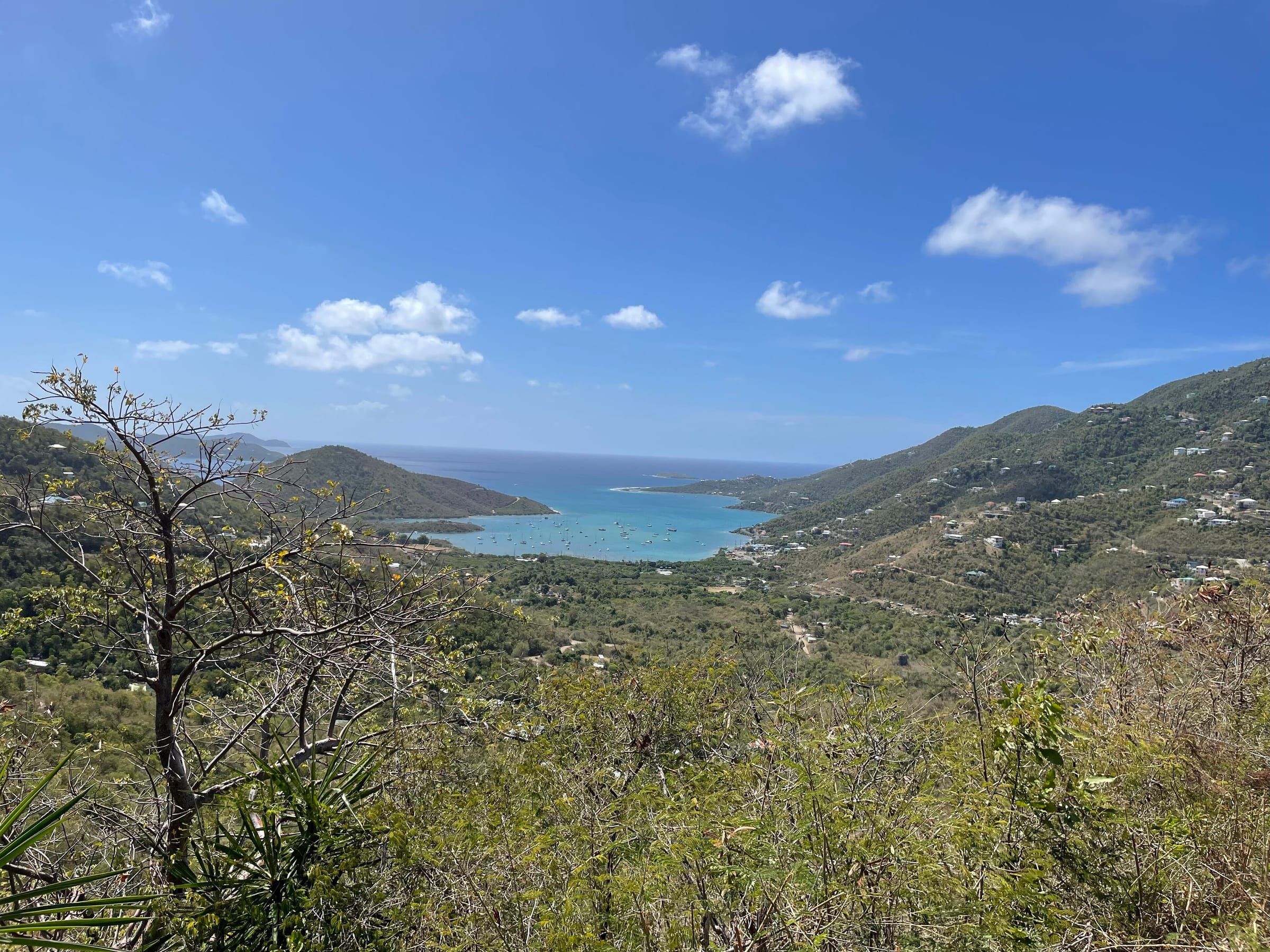
Repellents that work
Use a repellent registered with the U.S. Environmental Protection Agency. The CDC lists six active ingredients that are proven safe and effective, even for pregnant and breastfeeding women, when used as the label says. Look for “EPA Reg. No.” on the label; the CDC says the effect of unregistered “natural” products is not known.
| Active ingredient | Children (CDC) |
|---|---|
| DEET | Follow the label |
| Picaridin (KBR 3023, icaridin) | Follow the label |
| IR3535 | Follow the label |
| Oil of lemon eucalyptus (OLE) | Plant-derived; not on children under 3 |
| Para-menthane-diol (PMD) | Not on children under 3 |
| 2-undecanone | Plant-derived; follow the label |
The EPA’s repellent finder shows how many hours each registered product protects. We do not quote protection times here: they depend on the product and the concentration.
How to use it. If you are using sunscreen, apply sunscreen first and insect repellent second. Put it on before sunset, not after the first bite, and again after swimming or heavy sweating as the label says. Don’t spray it under clothes.
For children. No OLE or PMD under 3. Don’t put repellent on a child’s hands, eyes, mouth or cut skin; spray it on your own hands and then apply it to the child’s face. Cover strollers and carriers with netting.
Layers that help with no-see-ums. The CDC guidance is written for mosquitoes, and we found no official advice on biting midges in the Virgin Islands. What visitors and hosts rely on:
- Repellent on ankles, legs and arms at dusk. The villa agency suggests one with DEET.
- Clothes: Cinnamon Bay recommends loose, lightweight, long-sleeve shirts and pants at night. Clothes treated with permethrin keep working through several washes; never put permethrin on skin.
- Moving air: a table fan, a ceiling fan or a seat in the breeze. No-see-ums can barely fly against it.
- Screens and air conditioning at night.
Avon’s Skin So Soft bath oil is a popular folk remedy. The original bath oil is not sold as a registered repellent; if a bottle has no EPA registration number, treat it as untested.
Tip
Bring the repellent you trust from home: the island’s shops have a small choice at island prices. The Cinnamon Bay camp store sells bug spray, but the campground asks guests not to bring continuous-spray bug products, so pack a lotion or pump spray if you are staying there.
At your villa
Most villas are open to the air, and that is part of the charm. Before you book, ask:
- Are the screens on windows and doors intact? Is there air conditioning in the bedrooms?
- Are there ceiling fans on the dining deck?
- How often is the house treated? One agency says it exterminates every month.
Know the rules before you complain: the same agency states “There will be no refunds due to insects.”
While you’re there:
- Close the doors at dusk if only the screens keep bugs out, and keep the bedroom door shut with the A/C on.
- Empty standing water once a week: buckets, plant saucers, kayak cockpits. The CDC says mosquitoes lay their eggs in anything that holds water.
- Keep sugary food in the fridge and wipe up crumbs; ants find them fast.
- The agency suggests rechargeable repeller devices for the deck in the rainy months.
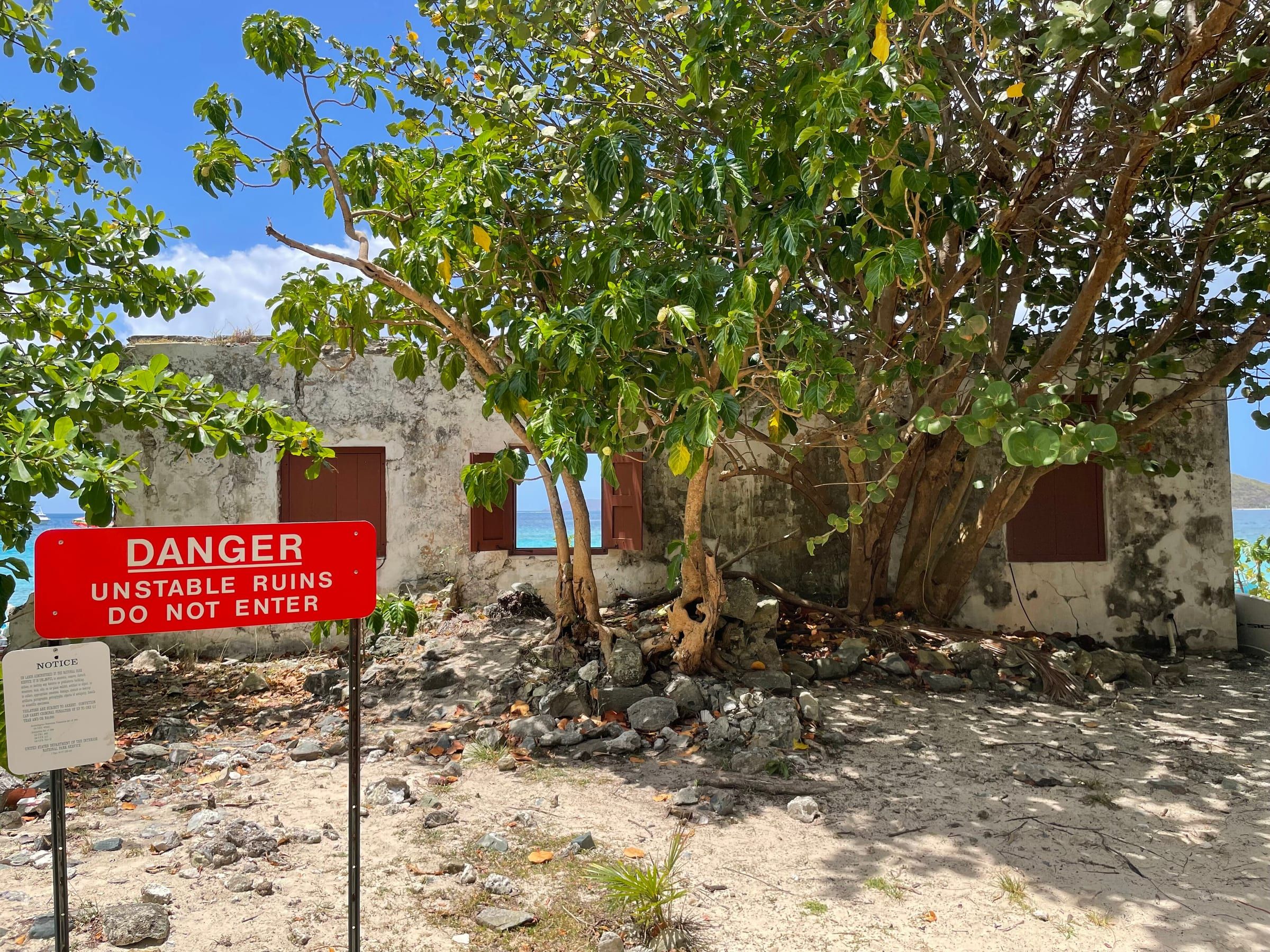
Bites and treatment
Itchy bites. Don’t scratch: broken skin gets infected easily in the heat. A cold compress, an anti-itch cream such as hydrocortisone or an antihistamine helps most people; ask a pharmacist if you’re unsure. Chelsea Drug Store in Cruz Bay is the island’s pharmacy. Bring what you normally use, since the choice is small.
Fever after bites. Mosquito-borne illnesses cause fever, rash, headache, muscle and joint pain, or nausea; the park says symptoms and prevention are similar for dengue, chikungunya and Zika. Dengue usually starts 5 to 7 days after the bite, so it can begin after you are home. If you get a fever during or within two weeks of the trip, see a doctor and say where you traveled.
How common is dengue? In the 2024 outbreak, 40 of the territory’s 263 confirmed cases were on St. John, and none on St. John began after December 2024. See dengue and Zika for the latest official figures and the advice for pregnant travelers.
Allergic reaction
Swelling of the face or throat, trouble breathing or hives all over after a sting or bite is an emergency. Dial 911. If you know you are allergic, bring your epinephrine injector: St. John has a health center but no hospital.