Pack less than you think. Bring light, quick-dry summer clothes with one cover-up for town, mineral sunscreen with only zinc oxide or titanium dioxide as active ingredients, a rash guard and hat, insect repellent, water shoes or sturdy sandals, a snorkel mask that fits, a headlamp and a power bank. Leave chemical sunscreen at home, because the Virgin Islands ban it, and don’t plan on glass bottles, pets or a drone at the national park’s beaches. Plugs and voltage are the same as on the U.S. mainland. The checklist below saves your ticks in this browser and prints with empty boxes.

At a glance
- Weather
- Highs of 84 to 90°F all year, rain showers most likely in fall
- NOAA National Centers for Environmental Information · verified
- Sunscreen
- Mineral only; oxybenzone, octinoxate and octocrylene are banned in the USVI
- U.S. Virgin Islands Department of Tourism (VisitUSVI) · verified
- Electricity
- Standard 120 volts, U.S. plugs, no adapter needed
- U.S. Virgin Islands Department of Tourism (VisitUSVI) · verified
- Banned on park beaches
- Glass bottles and containers, pets, smoking and vaping
- U.S. National Park Service · verified
- Drones
- Not allowed in the national park without the superintendent's written approval
- U.S. National Park Service · verified
Essentials
St. John is a U.S. territory, so a U.S. citizen flying in from the mainland needs only the ID they would use for a domestic flight. A passport matters only for a day trip to the British Virgin Islands; see passport, ID and customs. Everything else on the essentials list is about money and medicine.
- Medicines for the whole trip, in your carry-on, plus any over-the-counter remedies you rely on. St. John has a clinic and a pharmacy, Chelsea Drug Store in The Marketplace, but no hospital: serious cases go to St. Thomas by medical boat.
- A card or phone wallet for Trunk Bay, which has charged its $5 fee by card and mobile payment only since October 1, 2026.
- Some cash in small bills for safari taxis, which charge per person in cash.
- A soft bag that fits on your lap: on the passenger ferry, anything bigger costs $4 a bag each way.
St. John packing checklist
Ticks are saved in this browser only.
Clothes and shoes
It is summer all year. Average highs at the nearest official station run from 84°F in January to 90°F in August, nights rarely drop below the low 70s, and fall is the rainiest stretch. Pack for beach and trail: swimsuits, shorts, light shirts that dry overnight, and one light rain jacket for the short, heavy showers.
Dress is casual everywhere, including the best restaurants, but swimwear stays on the beach. A shirt or cover-up for town and the ferry is expected, and nudity is prohibited on every park beach. Add one light long-sleeve shirt and long pants for dusk, when the bugs come out.
Shoes matter more than clothes. Many beaches have rocky entries and sea urchins, whose spines the park describes as “long, brittle”. Water shoes or reef boots solve both, and sturdy sandals with a heel strap or light trail shoes cover the hikes.
Tip
Wear closed shoes on travel days. You’ll carry bags over wet docks and up the ferry ramp, and flip-flops slide.
Beach, snorkel and trail gear
Bring your own mask if you can. A mask that leaks spoils a snorkel, and you can test the fit at home in a sink or pool. Fins, snorkels and beach chairs are easy to rent on the island, and Low Key Watersports in Cruz Bay fits gear to each customer and rents prescription masks.
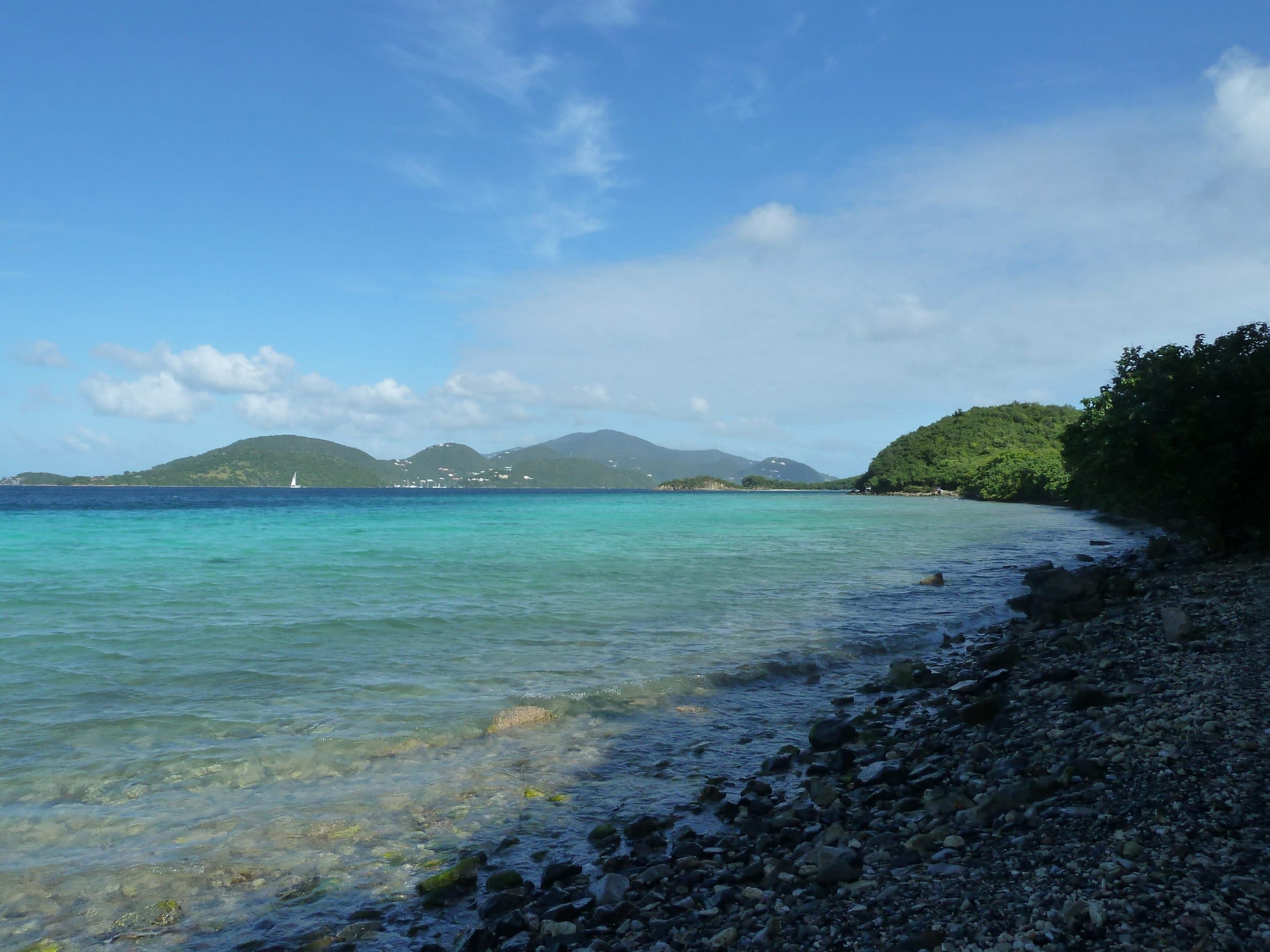

Pack a dry bag for phone and keys, a reusable water bottle and a soft cooler bag. Glass bottles and containers are prohibited on all park beaches, so bring unbreakable cups and buy cans. A quick-dry towel saves space if your lodging doesn’t supply beach towels.
On the trails
Most trails in the national park are short but steep, rocky and hot. Wear trail shoes or sandals with a heel strap, carry more water than you expect to drink, and pack snacks and repellent. The park’s own trail rules start with “Bring plenty of water” and include bug spray and reef-safe sunscreen.
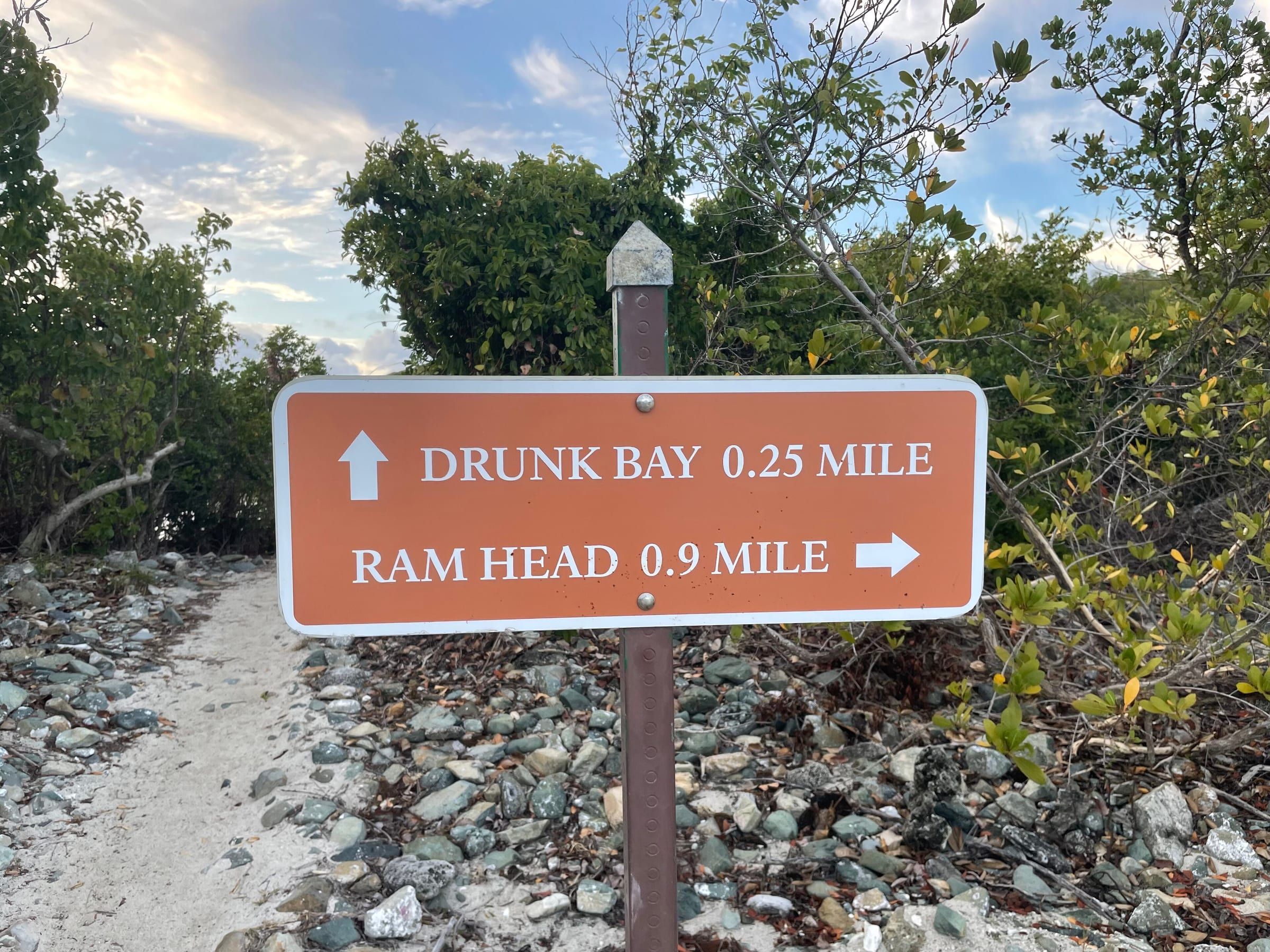

A small day pack keeps your hands free on the scrambles. Start early: shade is patchy and midday is the hottest part of the day.
Health and bugs
Mosquitoes and no-see-ums are part of island life; the Cinnamon Bay campground says they are “common all over St John”. Bring the repellent you trust and long, light layers for dawn and dusk. If you use both, sunscreen goes on first and repellent on top.
Medicines go in your carry-on, with enough for the whole trip and a few extra days in case a flight is cancelled. Add a motion-sickness remedy if you are prone to it: the ferry crossing is short, but boat trips to the outer cays and the BVI can be rough. Spare glasses and contact-lens supplies are hard to replace on the island.
Tip
Skip aerosol cans and continuous sprays. The Cinnamon Bay campground asks guests not to bring them, and a lotion or pump goes where you put it, not onto the sand and the next towel.
Tech and power
No adapter needed: the Virgin Islands use standard 120-volt current with U.S. outlets. Bring a power bank and a headlamp or small flashlight. Power cuts happen on St. John, and the power outage page shows current outages from WAPA. A waterproof pouch lets you keep the phone with you in the water at the beach.
Most mobile carriers have signal in the Virgin Islands, but coverage on the island’s hills and remote bays is patchy. Save your confirmations and an offline map before you leave Cruz Bay.
Sunscreen: what is allowed
Only mineral sunscreen. The Virgin Islands ban sunscreens containing oxybenzone, octinoxate or octocrylene, the “Toxic 3 Os”. The full ban took effect on March 30, 2020, and the Department of Tourism puts it plainly: “only use mineral sunscreen — it’s the law”.
Official notice — U.S. Virgin Islands Department of Tourism
“Avoid sunscreens that contain the ‘Toxic 3 Os’ of oxybenzone, octinoxate and octocrylene — they are prohibited in the USVI. Wear rash guard shirts, hats and use only non-nano mineral sunscreen containing zinc oxide and titanium dioxide.”
How to check a bottle:
- Turn it over and read the “Active ingredients” box. Allowed: zinc oxide and titanium dioxide. Not allowed: oxybenzone (also listed as benzophenone-3), octinoxate (octyl methoxycinnamate) and octocrylene.
- Ignore “reef safe” on the front. It is a marketing phrase, and some bottles that carry it still contain octocrylene.
- Prefer lotion to spray. It goes on evenly and stays off the sand.
The law is enforced at the shelf. The Department of Licensing and Consumer Affairs pulled banned sunscreen from a St. Thomas Walgreens in 2023, and stores face a $1,000 citation for a first offense and $2,000 after that. We found no report of a visitor being fined, but the park asks every swimmer to use sunscreen free of oxybenzone, octinoxate, and octocrylene.
Cover up and you need less of it. The sun at 18° north is strong all year: even in mid-November, close to the lowest sun of the year, the EPA forecast a noon UV index of 8 for nearby Charlotte Amalie. A long-sleeve rash guard, a hat and shade around midday protect better than reapplying lotion.
Tip
Buy mineral sunscreen at home. It is sold on St. John, but the choice is small and the prices are island prices.
Leave at home
Official notice — Virgin Islands National Park
“Glass bottles or glass containers are prohibited on all VIIS beaches.” Launching, landing or operating an uncrewed aircraft on park lands and waters “is prohibited except as approved in writing by the superintendent.”
- Chemical sunscreen with any of the three banned ingredients.
- Glass for the beach: decant into cans, plastic or a bottle you can refill.
- A drone, unless you have the superintendent’s written approval. The rule covers the park’s waters as well as its land.
- Pets at the beach: dogs may not go on park beaches; see passport, ID and customs for bringing one at all.
- Cigarettes and vapes at the beach: smoking and vaping are prohibited on beaches and near park pavilions, picnic tables and restrooms.
- Speakers: Cinnamon Bay asks campers to leave sound-producing devices at home, and a quiet beach is the norm everywhere.
- Bulky gear: beach chairs, coolers, kayaks and paddleboards are easy to rent. See what to bring vs. buy for what the island sells.
Shells, coral and rocks stay where you find them. The park lets visitors gather only listed fruits and a little salt by hand, and damaging coral is illegal.
Tip
Cinnamon Bay’s advice to campers works for any trip: “pack for your vacation and then take out half.”