At a glance
- Try first
- Pates, johnny cakes, fish and fungi, roti, stew conch
- U.S. Virgin Islands Department of Tourism · verified
- Local drinks
- Maubi, bush tea, sorrel in fall and winter, guavaberry rum at Christmas
- U.S. Virgin Islands Department of Tourism · verified
- Born nearby
- The Painkiller on Jost Van Dyke (BVI), the Bushwacker on St. Thomas in 1975
- U.S. Virgin Islands Department of Tourism · verified
- Reef-fish warning
- Never eat barracuda or moray eel (ciguatera)
- U.S. Centers for Disease Control and Prevention · verified
Short answer
Virgin Islands cooking is West Indian home food: fried pates and johnny cakes, fish and fungi, curried roti, stew conch and goat, washed down with maubi, bush tea or, in winter, sorrel. Most Cruz Bay restaurants cook for visitors, so the local dishes are easiest to find at small stands and family places, and at festivals like the St. John Celebration food fair in June.
The rum comes from St. Croix, where Cruzan has made it since 1760 and runs distillery tours. The island’s favorite cocktails were born next door: the Painkiller on Jost Van Dyke in the British Virgin Islands, the Bushwacker on St. Thomas in 1975.
Dishes to try
| Dish | What it is |
|---|---|
| Pates | “Fried turnovers filled with ground meat or salt fish” |
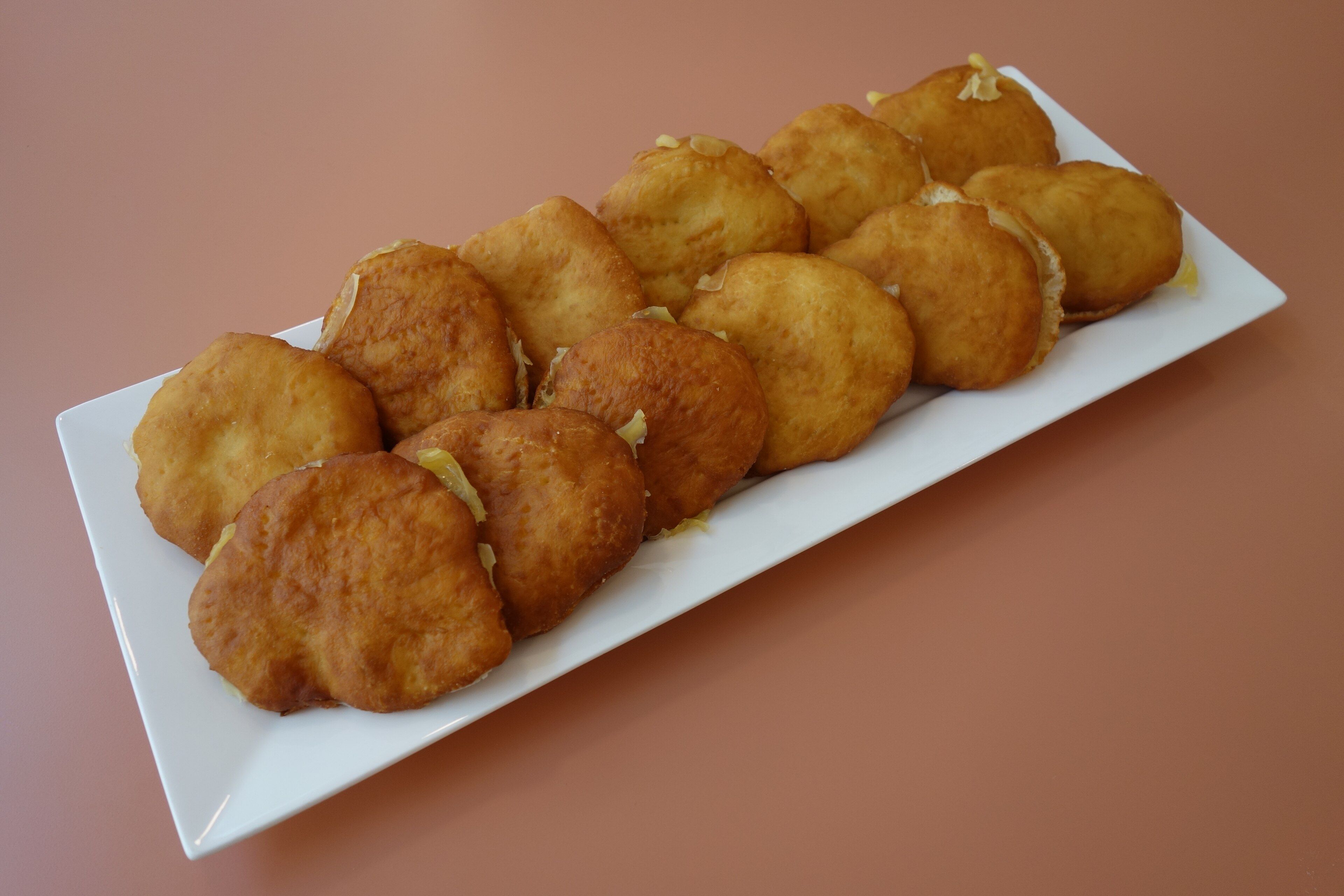
| Johnny cakes | “Slightly sweet, deep-fried dough”, eaten with anything or on their own |
| Fish and fungi | Fried or stewed fish with fungi, a cornmeal “similar to polenta”, often cooked with okra |
| Roti | East Indian flatbread rolled around curried or stewed meat and vegetables |
| Stew conch | Conch slow-cooked until tender; also served in a butter sauce or as fritters |
| Stewed or curried goat | A family-restaurant staple, with rice or fungi |
| Kallaloo | A soup the tourism department lists among the local favorites |
| Dumb bread | A dense bread baked in a lidded skillet |
Pates are the snack to look for: hot, filling and cheap. Order fish and fungi where it’s on the menu: the fungi is soft and savory, closer to polenta than to the mushrooms the name suggests.
Conch and lobster have seasons. In the national park, conch may only be taken November 1 to May 31 and whelks October to March, so those are the months they turn up fresh. Spiny lobster is caught all year; Morgan’s Mango runs lobster nights every Tuesday and Saturday (see Where to eat).
Fish poisoning (ciguatera)
The CDC warns that ciguatera comes from “large carnivorous reef fish” such as barracuda, amberjack, grouper and moray eel, and that the toxin is not destroyed by cooking or freezing. Its advice: “never eat high-risk fish (e.g., barracuda, moray eel)”. If you catch your own fish, ask locally before you cook a big reef fish.
Where to find local food
Local cooking is easiest to find in three places:
- Festivals. The St. John Celebration’s Food Fair fills Franklin A. Powell Sr. Park in Cruz Bay in June; in 2026 it was Sunday, June 21, with local dishes, drinks and sweets. The park’s Folklife Festival in March 2026 had maubi making in Cruz Bay and dumb bread at Annaberg. In August 2026 the territory’s St. John agriculture fair sold “fresh local produce” in the same park. Watch the events calendar for next year’s dates.
- Family places and food stands. The Department of Tourism points to Ekaete Pink Corner in Coral Bay for oxtail, fish and fungi and curried goat, Caps Place in Cruz Bay for stewed goat and pates, Hillside Terrace for stewed chicken, and The Roti King, a converted school bus in the Lumberyard lot, for roti, johnny cakes and pates. None of them publishes hours, and we found no current confirmation, so ask in town before you go.
- Miss Lucy’s on Friis Bay, south of Coral Bay, is listed for conch fritters and kallaloo. It is seasonal; call 340-693-5244 first.
Rum
Rum is the territory’s spirit, and the big distilleries are on St. Croix, the southern island of the territory. Cruzan has been distilled at Estate Diamond near Frederiksted “beginning in 1760”. Its tours take about an hour and run Monday, Tuesday and Thursday to Saturday, 9:30 a.m. to 4 p.m.; book online. Distilling pauses from November 26 to December 12 for maintenance, but tours continue. The Captain Morgan visitor center on St. Croix runs tours and tastings Monday to Friday by reservation.
You don’t have to leave St. John to taste it:
- Lovango Rum Bar on Bay Street in Cruz Bay makes its coconut rum “in its own distillery”; the bar is open 5–10 p.m. every day.
- Bajo el Sol in Mongoose Junction pours the largest aged-rum selection in Cruz Bay as tasting flights.
- St. John Brewers has its tap room on the second floor of Mongoose Junction, open daily 12–9 p.m., for the island’s own beer.
On St. Thomas, the Department of Tourism lists tastings at Bones Rum and free tours by appointment at Virgin Islands Craft Distillers.
Drinks
The Painkiller is a rum drink with pineapple and coconut, dusted with nutmeg. The Soggy Dollar Bar says it “was created in the 1970s at the Sandcastle Hotel on White Bay, Jost Van Dyke”, a short boat ride from St. John (see BVI day trips). On St. John it costs $6 at The Beach Bar’s happy hour, $10 frozen at The Longboard’s and $9 at Skinny Legs.
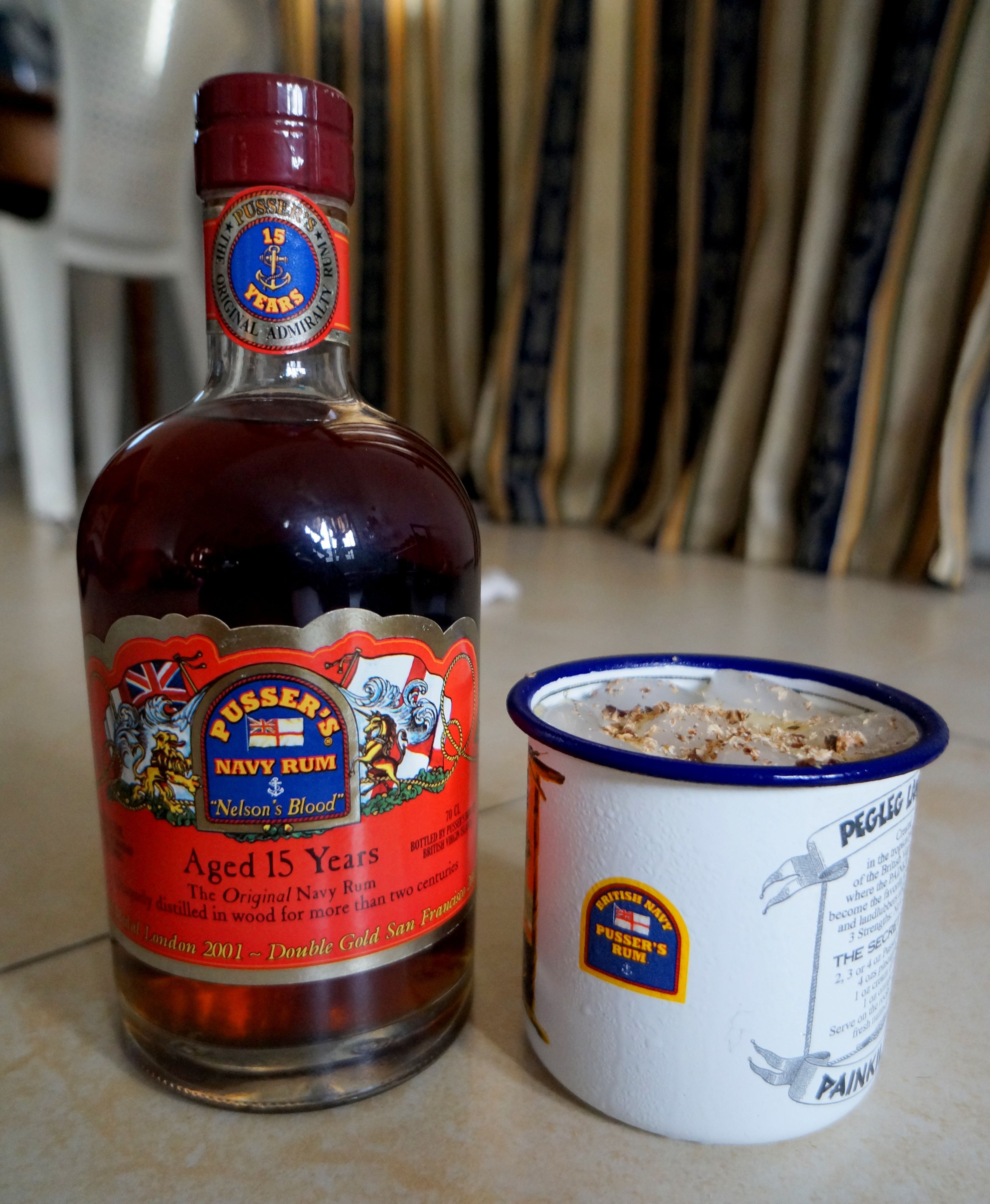
The Bushwacker is a frozen blended drink, sweet as a milkshake. The Department of Tourism says it “was invented in 1975 on St. Thomas”.
The non-alcoholic local drinks are worth looking for at festivals and food stands:
- Maubi is a “slightly spicy drink flavored with tree bark and allspice”.
- Bush tea is made with herbs and spices, sold mostly at farmers markets and said to have healing properties.
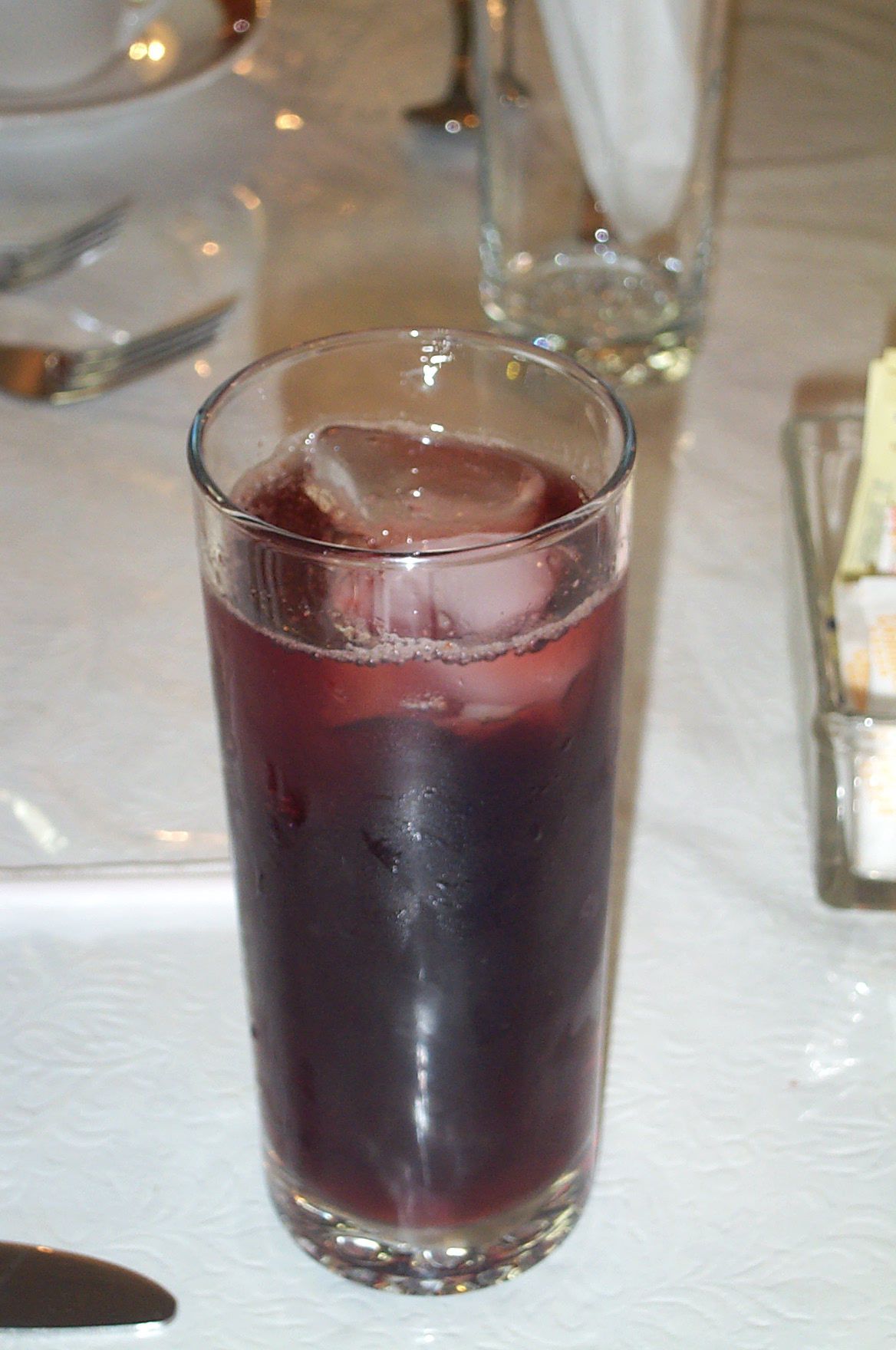
- Sorrel is a deep red drink made from the flowers of a hibiscus. The plant is grown in the fall and winter months, so that is when you’ll find it.
- Guavaberry rum belongs to Christmas, too: St. John families aged rum with the small wild berries and sugar in demijohns until Christmas and served it to carolers on Christmas morning.