At a glance
- Greeting
- "Good morning" or "good afternoon" before any question
- stj.fyi editors · verified
- Off the beach
- Shirts and shoes in public; swimsuits at the beach and pool
- U.S. Virgin Islands Department of Tourism (VisitUSVI) · verified
- Animals
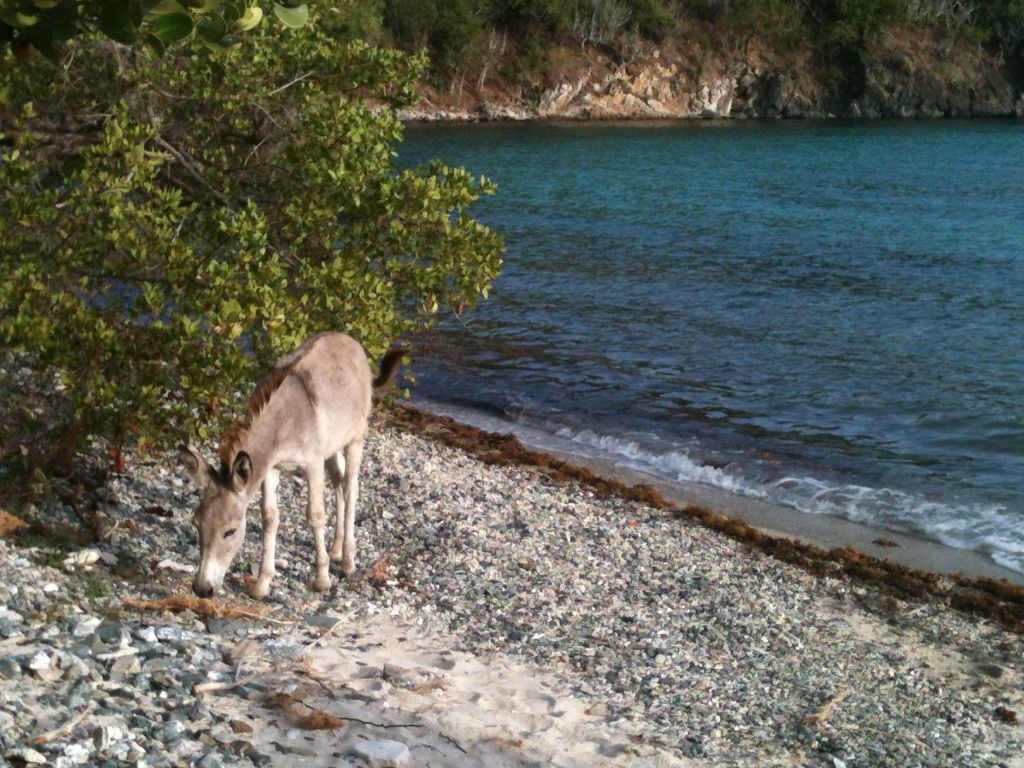
- Donkeys and goats are wild; do not feed or touch them
- U.S. National Park Service, Virgin Islands National Park · verified
- Emancipation Day
- July 3 (1848), the heart of the St. John Celebration
- U.S. National Park Service · verified
Short answer
Say “good morning”, “good afternoon” or “good evening” before you ask anyone anything: at a shop counter, at the taxi stand, passing someone on a trail. On St. John it is the polite way to start, and skipping it comes across as rude. Beyond that, the island asks visitors for the same things any small community would: wear a shirt and shoes in town, keep the noise down at night, drive patiently, save water, leave the animals alone, and ask before you take someone’s picture. The territory’s tourism office puts it simply: “be respectful and mindful”.
St. John is a small place with deep Afro-Caribbean roots, and most of its holidays and festivals mark that history. Showing interest in it is the quickest way to be welcomed.
Greetings
The greeting comes first, then the question. “Good morning, how are you?” before “Which way to the ferry?” Match it to the time of day: good morning until about noon, good afternoon until dark, good evening after.
- In shops and restaurants, greet whoever is behind the counter when you walk in.
- Getting into a taxi or onto a bus, a greeting to the driver and the other passengers is normal.
- On the road, a lifted hand or a short tap of the horn says thanks when someone lets you pass on a narrow stretch.
One word that changes the answer
If an answer seems short, check whether you said good morning first. Start again with the greeting and you will usually get a warmer, longer reply.
Island time
Things run at their own pace. Service in restaurants is often slower than on the mainland, a shop may open late or close early, and a plumber or a rental-car agent may arrive later than promised. Build slack into your days: it is a vacation island, not a schedule. Some things are not flexible, though: the ferries, the car barge and boat trips leave on time, and the last boats of the evening wait for nobody (see ferries).
Driving is part of island time. The roads are narrow, steep and full of blind switchbacks, and you drive on the left. Locals know them well and may drive faster than you; pull over where you can and let them pass. Pull fully off the road to park, never stop in a lane to take a photo, and give way to safari taxis, which carry most visitors.
Tipping works much as on the mainland. Safari taxi drivers get 10–15% by one local guide, while another puts restaurants, bars and taxi drivers at 15–20%. Money, costs and budget has the full table.
Dress
Dress is casual, but the tourism office says shirts and shoes should be worn in public areas and bathing suits are worn only at the beach and pool. Pull on a cover-up or a T-shirt and shorts before you walk into town, a shop, a restaurant or the grocery store.
On the beaches, the park rules are plain: nudity is prohibited on all park beaches. For church services, dress as you would at home for church.
Photos and respect
- Ask before you photograph people, especially children, vendors at their stalls and people at church. Most people will say yes if you ask; some will say no, and that is the answer.
- Keep it down at night. Many villas sit in neighborhoods where families live and work early. Music and voices carry across the hills; keep the volume low after about 10 p.m.
- Save water. Most homes live on rainwater from their own cistern, so short showers and closed taps are a local habit, not a request from your host (see phones, Wi-Fi, power and water).
- Leave the animals alone. The donkeys, goats and mongooses that roam the island were introduced by humans, and the park asks: “do not feed or try to touch them”. Animals that get fed learn to raid cars and coolers.
- Leave the beach as you found it. Take your trash with you; there are few bins on the beaches.
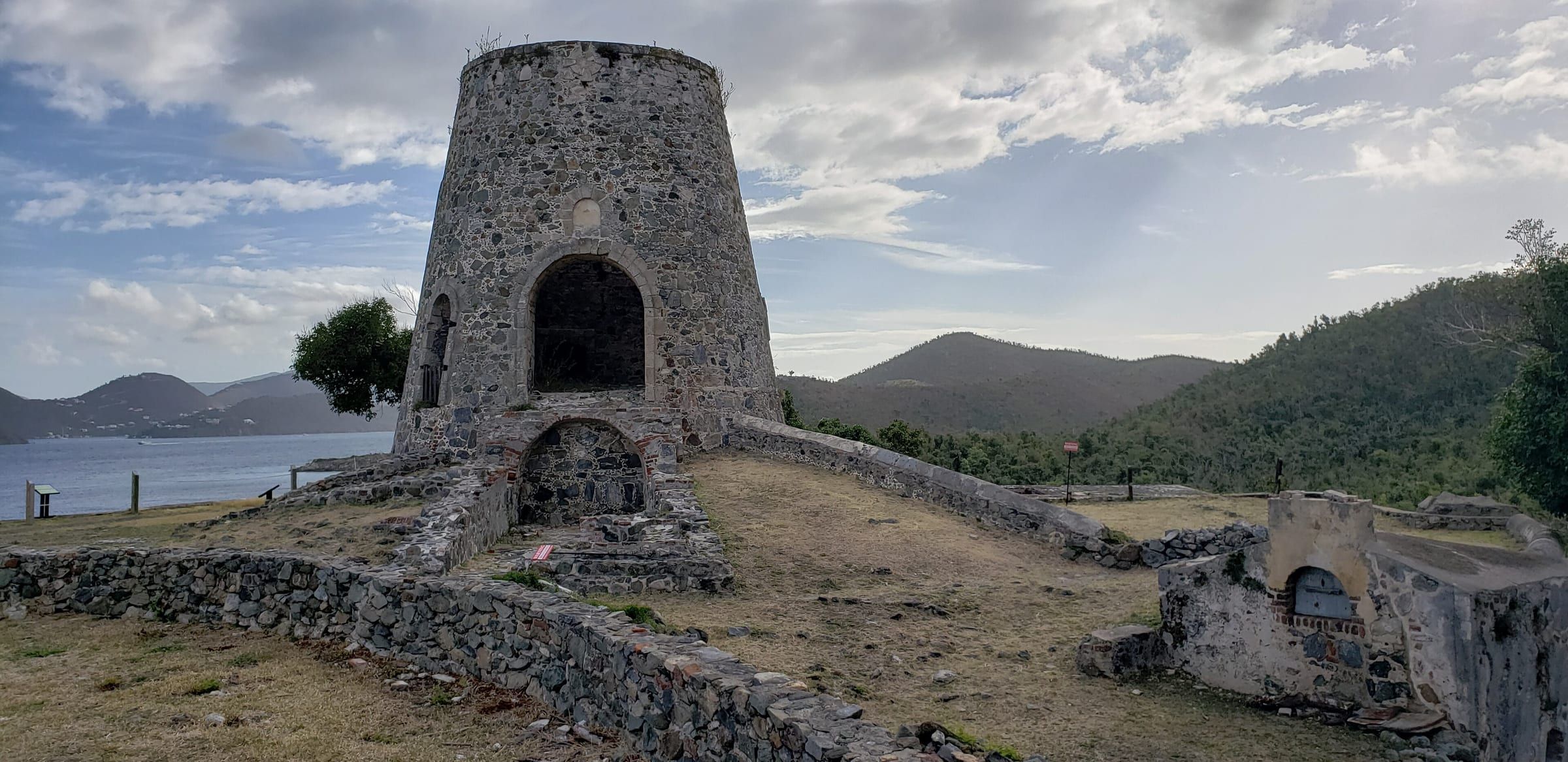
History is close. The ruins you walk through at Annaberg and Reef Bay were sugar estates run with enslaved Africans, and many St. Johnians descend from them. On November 23, 1733, enslaved Akwamu people took the fort at Coral Bay and held most of the island for about six months; Denmark abolished slavery in its islands on July 3, 1848. Treat the ruins as historic sites, not photo props, and read the history before you go.
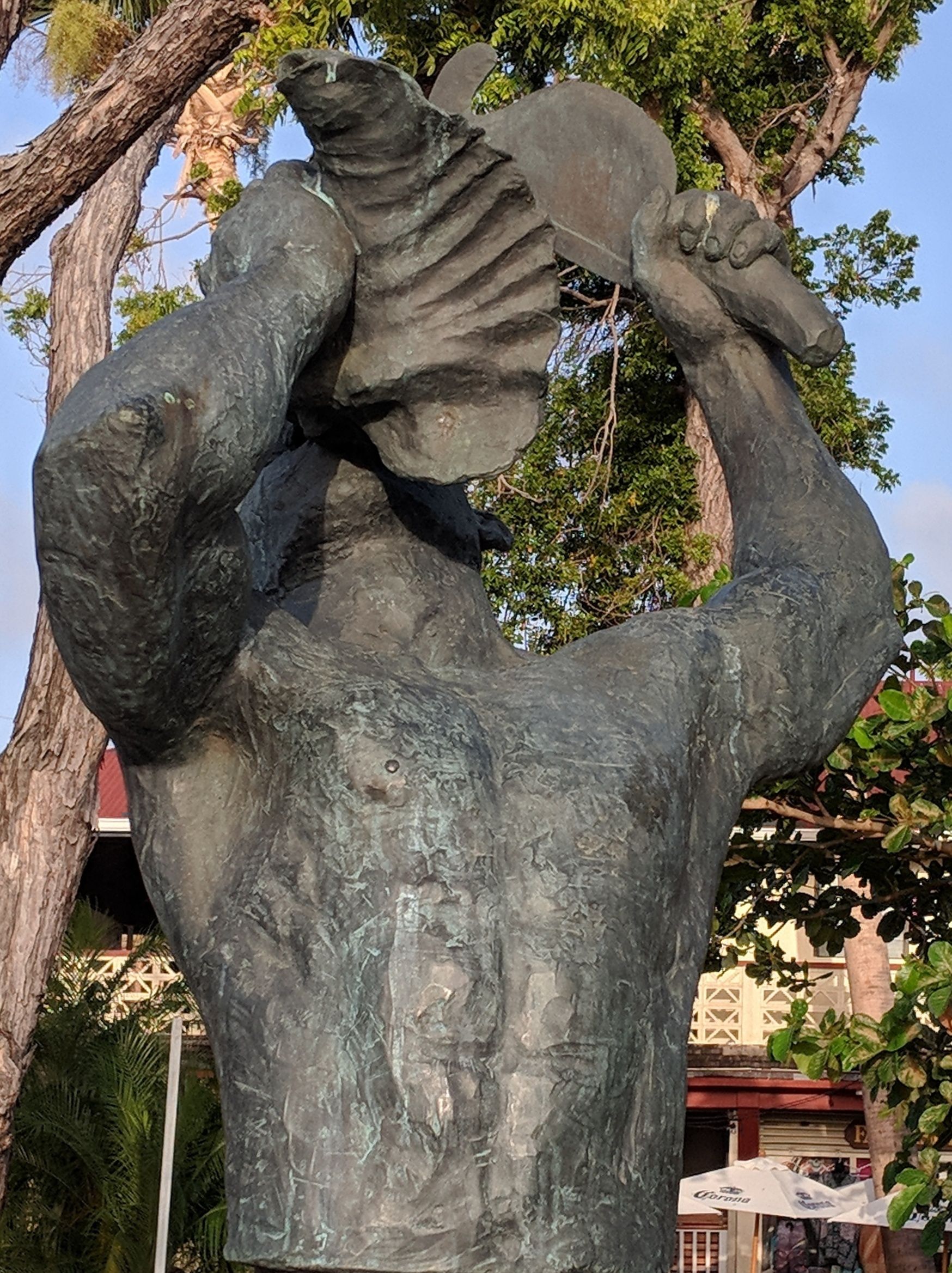
The statue in the small park across from the ferry dock, Freedom, honors emancipation.
Holidays and traditions
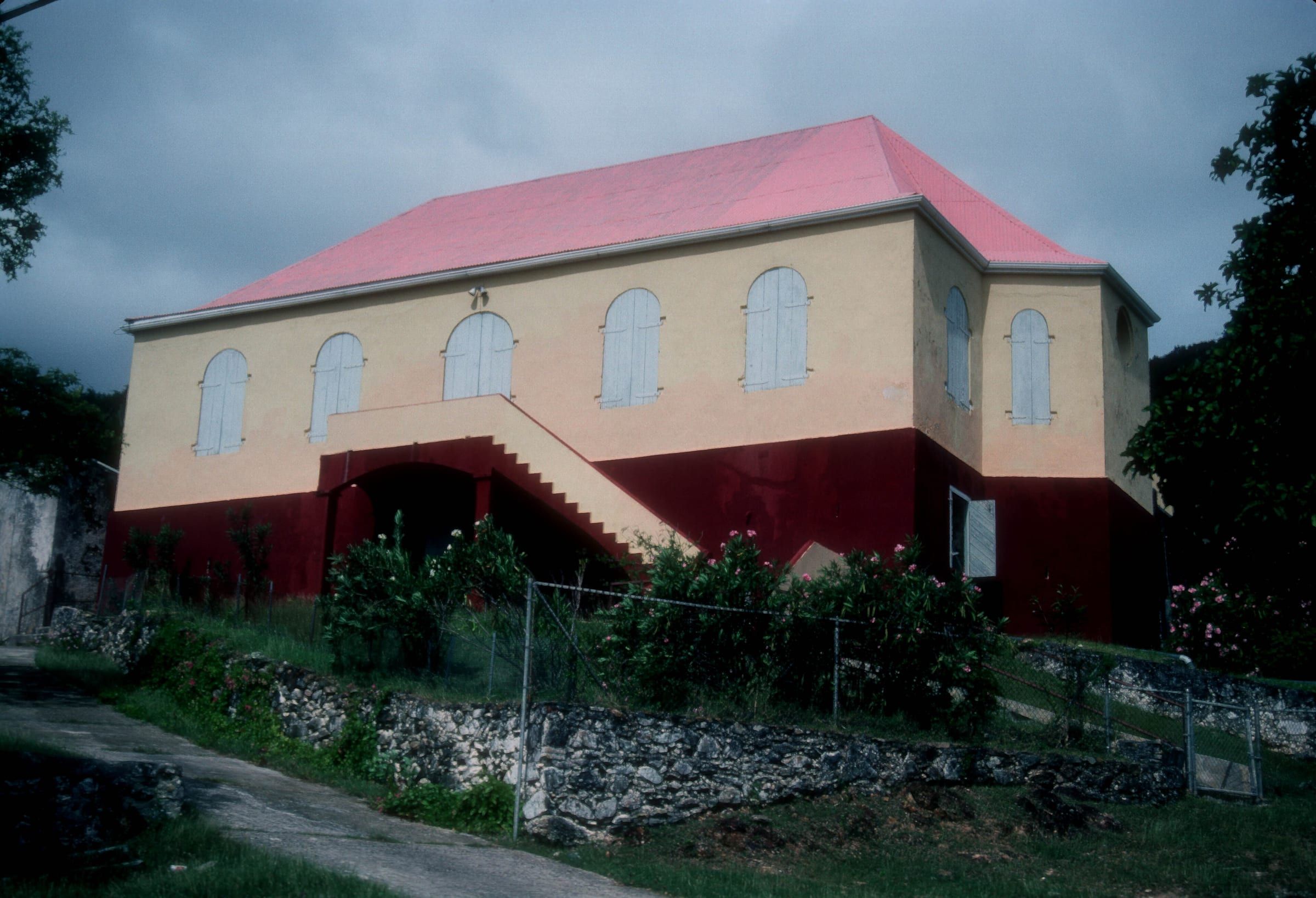
The island’s calendar follows its history. The legal holidays include Transfer Day (March 31), when the islands passed from Denmark to the United States in 1917, Emancipation Day on July 3, and Liberty Day on November 1, which honors the labor leader D. Hamilton Jackson. On holidays, government offices close and some shops, tours and ferries run on holiday hours; events lists them.
The biggest event is the St. John Celebration, the island’s carnival, which honors “both Emancipation Day and Independence Day”. In 2026 it ran from June 14 to July 4, with a food fair, pan music, J’ouvert at sunrise on July 3 and a parade and fireworks on July 4. St. John Festival has the details.
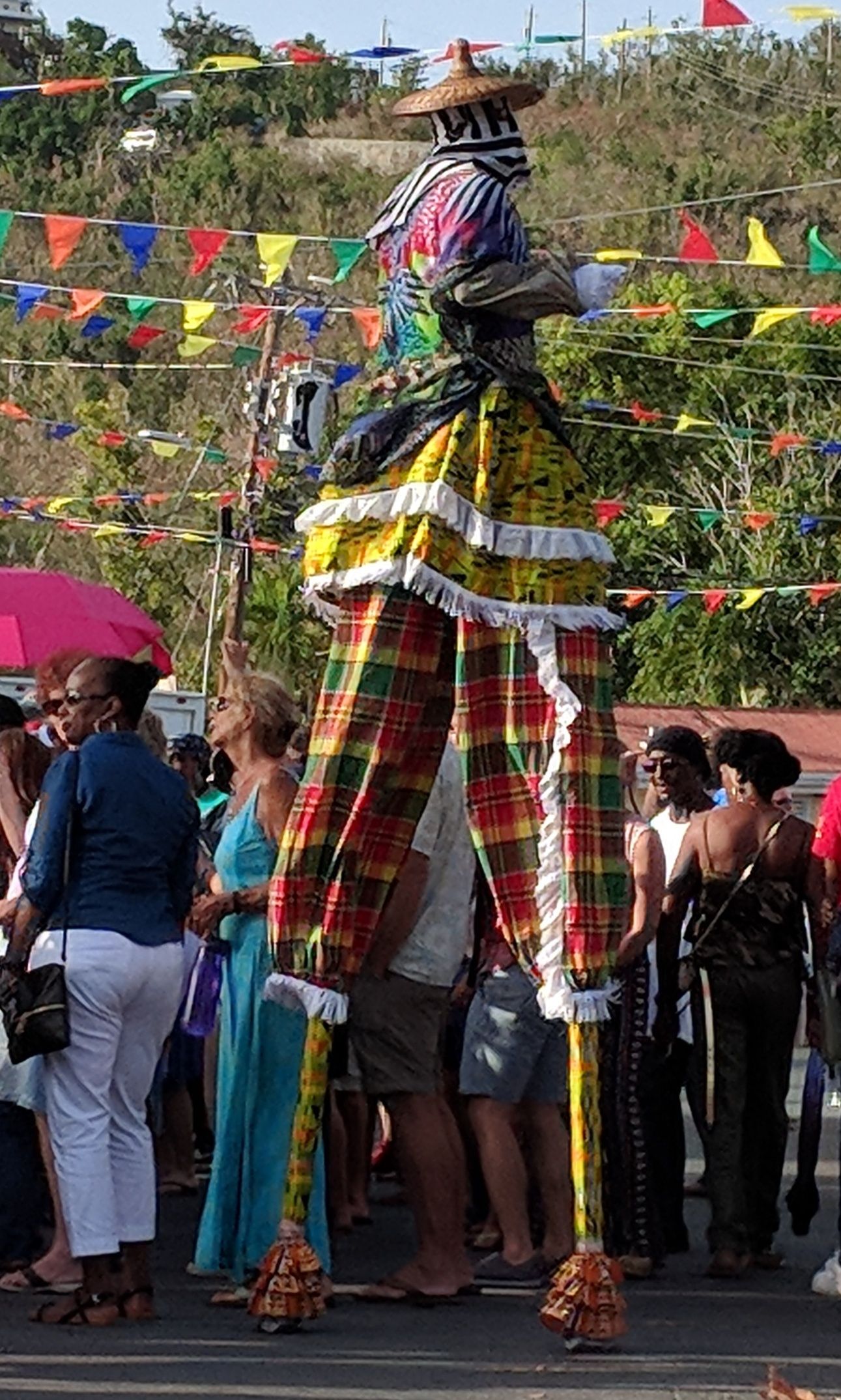
Traditional arts are kept alive at events like the park’s revived Folklife Festival, which in March 2026 showed quelbe music, quadrille dancing, Bamboula dancers, tyre-palm brooms, mauby and dumb bread. You will also see moko jumbies, stilt dancers in bright costumes, at the Celebration and other events. For island food, from pates and johnnycakes to bush tea and sorrel, see local food and drinks.
Language
English is the language of daily life, signs, menus and government. Among themselves many islanders speak Virgin Islands Creole, an English-based creole with its own words, rhythm and grammar; you may not follow every word of a fast conversation, and nobody expects you to.
A few words you will likely hear:
| Word or phrase | Meaning |
|---|---|
| Limin’ | Hanging out, relaxing with friends |
| Continental | Someone from the U.S. mainland |
| Jump up | A street party with music and dancing |
| Love City | St. John’s nickname |
Want to learn more?
Join an Annaberg cultural demonstration or a Friends of the Virgin Islands National Park seminar: local practitioners teach baking, basket making and history, and they are the best way to meet the island’s culture first-hand (see history and ruins).